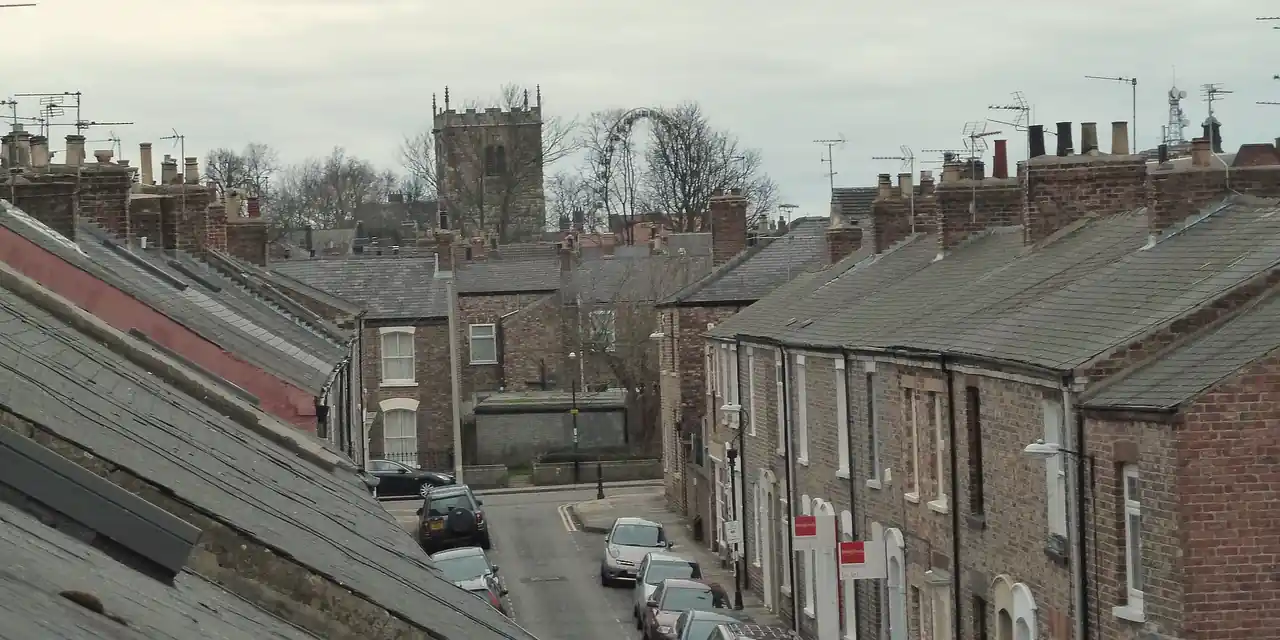
Natural slate roofing for York homes
Blue-grey slate is everywhere in York – across the Victorian and Edwardian terraces of areas like Heworth, South Bank and Leeman Road, on villas and chapels, and on many of the larger period homes in the villages around the city. Much of it is Welsh slate brought in by rail in the nineteenth century, and a well-laid slate roof can give generations of service. When it does need work, it's worth doing properly. York Heritage Roofing repairs, restores and replaces slate roofs, using natural slate that suits the age and style of your property.
Slate roofing services
- Slate repairs – replacing cracked, slipped or missing slates, fixed with discreet copper or stainless steel tingles or clips.
- Re-slating – stripping the roof, checking timbers, fitting new breathable membrane and battens, then re-laying with sound salvaged slates topped up with new or reclaimed stock.
- New slate roofs – for extensions, garages and new builds, including matching an extension to the main house.
- Ridges and hips – re-bedding or replacing clay, stone or slate ridges, and fixing them securely.
- Lead valleys, soakers and flashings – the joints where slate meets chimneys, walls, dormers and other slopes are where many leaks begin.
- Dormers and bay roofs – small slate roofs and cheeks on dormers and bay windows, often overlooked until they leak.
Signs your slate roof needs work
- Slates slipping out of line, especially several at once – usually a sign of nail sickness.
- Slates on the ground or in the gutter after windy weather.
- White, flaky or delaminating slates that are breaking down.
- Lots of copper or lead 'tingles' visible from the street – a sign of many past repairs.
- Damp or staining around chimney breasts, which often points to failed flashings.
- A sagging or uneven roof line.
Natural slate, reclaimed slate and alternatives
Welsh slate is the traditional choice on many York properties and has an excellent reputation for durability. Imported natural slates from Spain and elsewhere are widely used and vary in quality, so we choose established, graded products and match colour and thickness as closely as we can. Reclaimed slate is useful for repairs and for matching an existing roof, but needs careful checking because not every reclaimed slate has much life left.
Man-made fibre-cement slates are lighter and cheaper, and can suit some modern extensions or outbuildings, but they are not usually appropriate for period homes in conservation areas or for listed buildings. For those, see our heritage and Yorkshire stone roofing page.
Slates are fixed with copper or stainless steel nails, either head-nailed or centre-nailed depending on the slate size, pitch and exposure. The underlay, batten size and gauge, ventilation and lead detailing are just as important as the slate itself.
How we approach slate roofing
- InspectionWe look at the roof closely, from the loft as well as outside, to work out whether repairs or a re-slate make more sense.
- Honest optionsWhere repairs are enough, we'll say so. Where a roof is past patching, we'll explain why and show you.
- Written quoteMaterials, scope and access are set out in writing so you know what you're paying for.
- Careful stripping and salvageOn re-slates, sound slates are stripped and stacked for re-use.
- Re-layingNew membrane and battens, then slates laid to the correct gauge and lap, with new lead where needed.
- Tidy finishGutters cleared, site tidied and the work explained to you at the end.
Many York houses combine slate with other materials – a slate main roof with a flat-roofed rear extension, or a slate front with clay pantiles on outbuildings. We can look at the whole roof in one visit. For one-off problems, see roof repairs in York, or check the areas we cover.