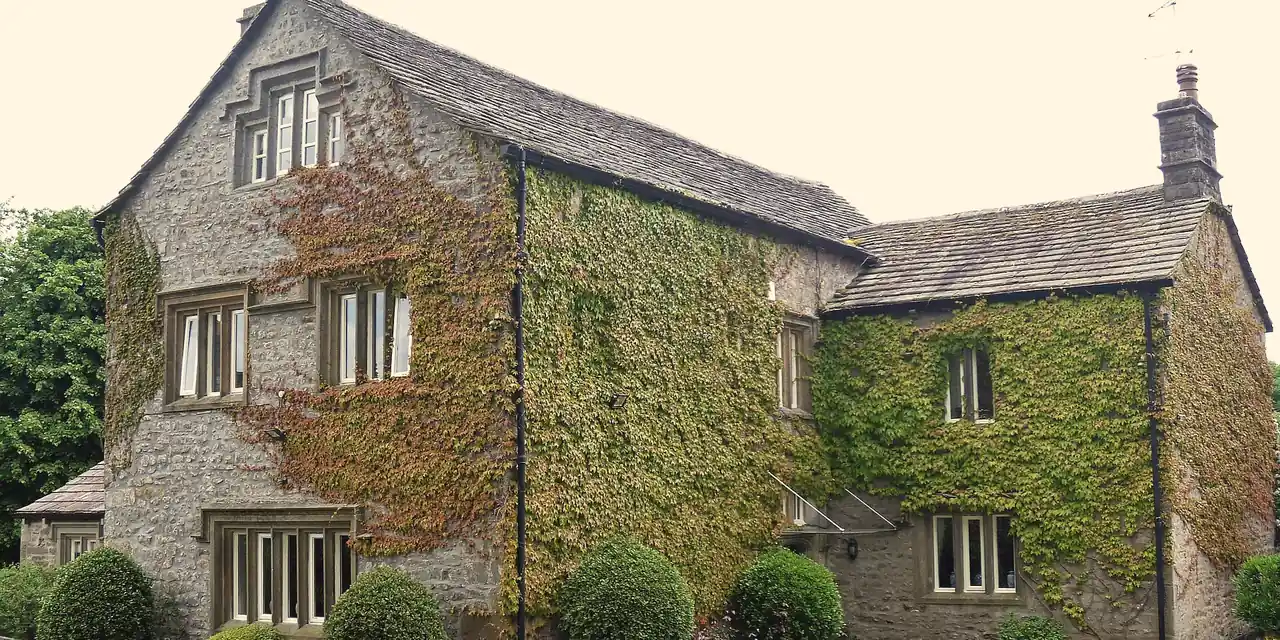
Stone slate roofs and why they're special
Yorkshire stone slate roofs – thick sandstone slates split from local quarries and laid in diminishing courses – are among the most distinctive roofs in the north of England. They are heavier, rougher and more irregular than Welsh slate or clay tile, and that's exactly their appeal. Found on farmhouses, cottages, barns, churches and older town buildings across the county, they need a roofer who understands traditional materials and methods. York Heritage Roofing repairs, re-lays and restores stone slate roofs, with a focus on keeping as much of the original material as possible.
In York itself, clay pantiles and Welsh slate are more common than stone slate, but stone roofs do appear on older properties in and around the city and become more common as you head west and north. Whatever the material, if your building is old, listed or in a conservation area, the same care applies.
Heritage roofing in York: listed buildings and conservation areas
York has an exceptional concentration of historic buildings, many of them listed, and a large share of the city sits within conservation areas – from the walled city centre to many of the surrounding villages. That brings extra responsibilities when work is done on a roof:
- Listed buildings: works that affect the character of a listed building, inside or out, generally need listed building consent from the council. Roofs are a key part of that character. Always check with the conservation officer before work starts.
- Conservation areas: changing a roof covering to a different material, adding rooflights or altering chimneys may need planning permission, and some areas have Article 4 directions that remove normal permitted development rights.
- Like-for-like: the starting point for historic roofs is usually to repair rather than replace, re-use sound original material and match anything new to the old in type, size, colour and texture.
We don't make planning decisions – the council does – but we can explain the proposed work, materials and method clearly so you can discuss it with the planning or conservation team, and we work to whatever conditions the consent sets.
Our stone slate and heritage roofing services
- Repairs – re-fixing or replacing slipped and broken stone slates, using matching reclaimed stone.
- Strip and re-lay – carefully stripping the roof, sorting and grading the slates by length, repairing timbers and re-laying in diminishing courses.
- Ridges – re-bedding or replacing stone ridges, traditionally in lime mortar.
- Lime work – lime mortar bedding and torching where it's appropriate for the building, rather than hard cement mortars that can trap moisture and damage old stone.
- Leadwork – flashings, valleys and gutters dressed in traditional lead, often the weakest point of an old roof.
- Heritage slate and pantile work – we bring the same approach to historic Welsh slate and clay pantile roofs; see our slate roofing and tiled roofing pages.
Signs a stone roof needs attention
- Slipped or missing stone slates, particularly after storms.
- Slates that are delaminating, cracking or crumbling.
- Failed pegs or nails – older stone slates were often hung on oak pegs that eventually rot.
- Dips or bulges in the roof slope, which can mean timbers or battens need attention.
- Damp in the roof space or on top-floor ceilings, or daylight through the roof.
- Cracked or missing ridge stones and loose mortar.
- Cement patch repairs from the past that are now cracking or holding water.
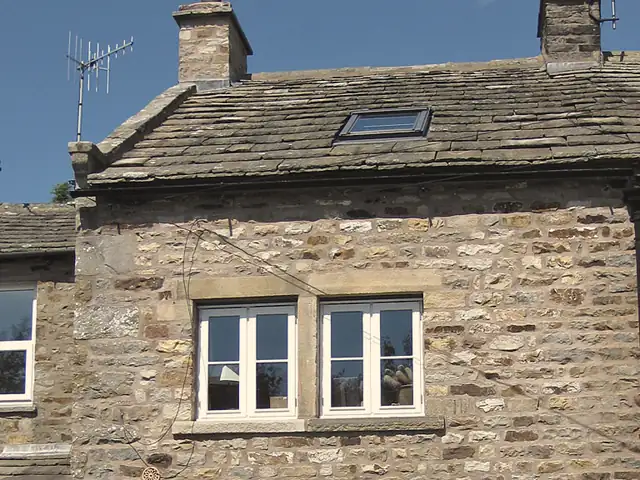
How we work on heritage roofs
- Careful assessmentWe look at the roof, the timbers and any past repairs, and take photos so you can see the condition for yourself.
- Repair-first adviceWhere targeted repairs will do, we'll recommend them. Where re-laying is needed, we explain why.
- ConsentsIf the property is listed or in a conservation area, we'll provide the information you need for discussions with the council before work begins.
- Strip, sort and salvageStone slates are stripped by hand, sorted by length and thickness, and sound slates set aside for re-use.
- Re-layingSlates are re-laid in diminishing courses with appropriate fixings, lime mortar and leadwork.
- RecordWe can provide photographs of the work in progress for your records.
Every historic roof is different. If you own a listed building or live in a conservation area, contact us early – ideally before you apply for any consent – and we'll talk through what the roof needs. See the areas we cover or request a free quote.