Roofing for listed buildings in York
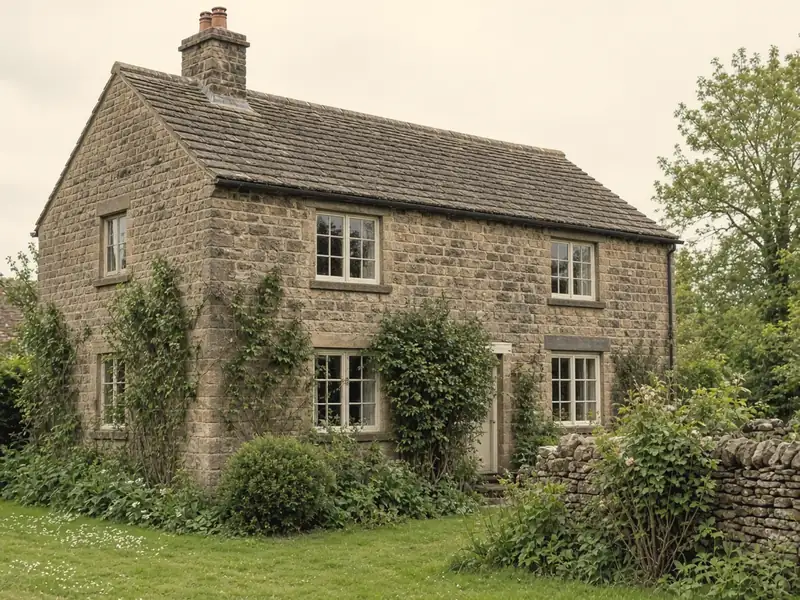
York has an exceptional number of listed buildings, from medieval timber-framed houses to Georgian townhouses and Victorian villas, and many more historic buildings sit within the city's conservation areas. On these buildings the roof – its material, its shape, its chimneys and its details – is part of what is protected. York Heritage Roofing takes a repair-first, like-for-like approach: keeping as much original material as possible, matching anything new to the old, and working to whatever conditions the council sets.
Listed building consent: what York homeowners should know
This is a short summary, not legal advice. City of York Council asks owners to apply for listed building consent before carrying out any demolition, alteration or extension work, inside or outside a listed building, and states that it is a criminal offence to carry out such works without consent. Works that affect a listed building's character – such as changing the roofing material, re-roofing in a different type of slate or tile, adding rooflights or altering chimneys – will generally need consent.
The council also explains that minor repairs don't need consent if they are carried out to a high standard using materials and techniques that match the original, but that repairs which don't take that approach usually do. There is no fee for applying, and the council recommends getting pre-application advice. Always check with the council's conservation team before work starts – read the council's own guidance on listed building consent and conservation and listed buildings.
Outside the City of York boundary – in Selby or Tadcaster, for example – the planning authority is North Yorkshire Council. The same principle applies: check with the council before work begins.
How we work on historic roofs
- Repair before replace – re-fixing slipped slates, re-bedding ridges and renewing flashings, rather than stripping a roof that can be saved.
- Like-for-like materials – natural slate, clay pantiles, plain tiles and Yorkshire stone slate matched in type, size, colour and texture, with reclaimed material where it suits.
- Salvage and re-use – careful stripping so sound original slates and tiles can go back on the roof.
- Traditional details – lime mortar where the building needs it, lead dressed in the traditional way (see leadwork), and original ridges, verges and chimneys kept.
- No inappropriate shortcuts – we don't use spray-on coatings or foam to hold slipping slates; they hide leaks and stop old material being re-used.
Helping you through the process
- InspectionWe look at the roof and record its condition, materials and details, with photographs where safe.
- Clear written proposalA description of the proposed work, materials and method that you can share with the council or your heritage adviser.
- Consent firstWhere consent is needed, work waits until it is in place, and we follow any conditions it sets.
- Careful workLike-for-like repair, recorded as we go.
Conservation areas around York
Many homes that aren't listed sit within conservation areas – York's historic core and suburbs, and villages such as Fulford, Bishopthorpe, Copmanthorpe, Strensall, Haxby and Poppleton, along with the historic centres of Selby and Tadcaster. Changing a roof covering, adding rooflights or altering chimneys there may need planning permission. Our local area pages describe each conservation area in more detail.
Related services
See also chimney repairs, slate roofing, tiled roofing and our roof costs guide. If water is coming in now, call 01904 922494 for emergency roof repairs.